


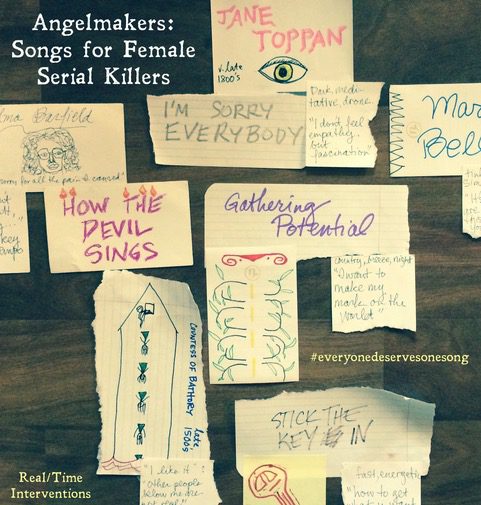
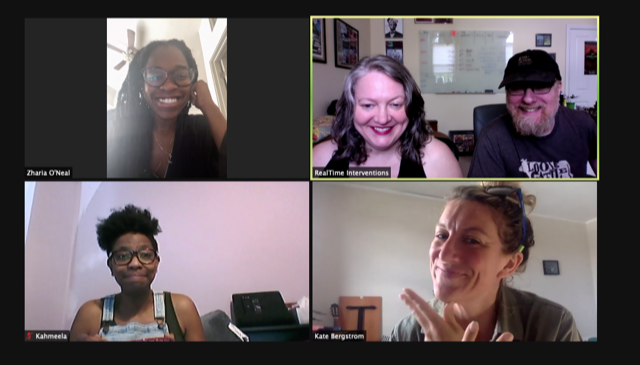

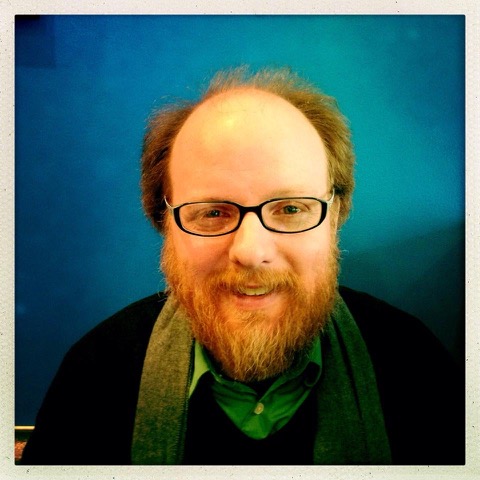
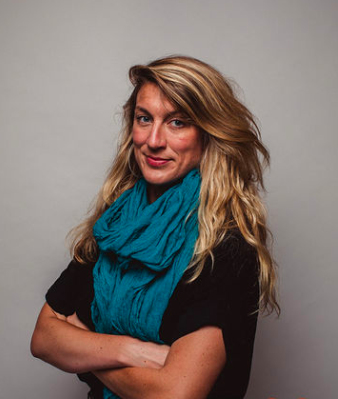
ANGELMAKERS: SONGS FOR FEMALE SERIAL KILLERS began as a true-crime concert musical conceived by Pittsburgh-based company RealTime Interventions (writer/ composer Molly Rice & director/producer Rusty Thelin). The piece was shaped in the 2017 Orchard Project Performance Lab, was developed further by WP Theater and RealTime, and is now receiving additional development through the Orchard Project. Hosted by dramaturg/ playwright Zharia O’Neal with playwright/ songwriter Molly Rice, directed by Kate Bergstrom, and produced by Rusty Thelin of RealTime Interventions, the podcast uses ten original songs about female serial killers as a structural touchstone; ten songs = ten episodes = ten discussions about female power, race and rage. Podcast host O’Neal explores the phenomenon of women who repeatedly kill through the lens of her own experience as a young Black woman, folding in a multivalent network of guests including artists, mediums, scientists, and journalists. A secondary thread will be the host’s conversations with the songwriter, Molly Rice, charting the unexpected intersections of their lives as women of different races, backgrounds and generations– and how their lived experience dovetails with that of the featured serial killers. Topics will range from the performance and privilege of rage, to the place empathy occupies in the stories of both victims and perpetrators, to the “Karen” phenomenon, to the question of why there seem to be so few Black American female serial killers. The Angelmakers podcast seeks to shrink the distance between its hosts, its guests, and their subjects, drawing these women who kill not just into our line of voyeuristic vision or into the reach of our morbid fascination, but closer in toward us, away from the simplistic categorization of “monster.” The podcast opens up conversation between fact, fiction and feeling, creating a liminal space where the horror and inspiration, fear and fascination of female killers collide with the world of neurological and emotional realities of womanhood, Black womanhood, disenfranchised grief in womanhood and mental health.