


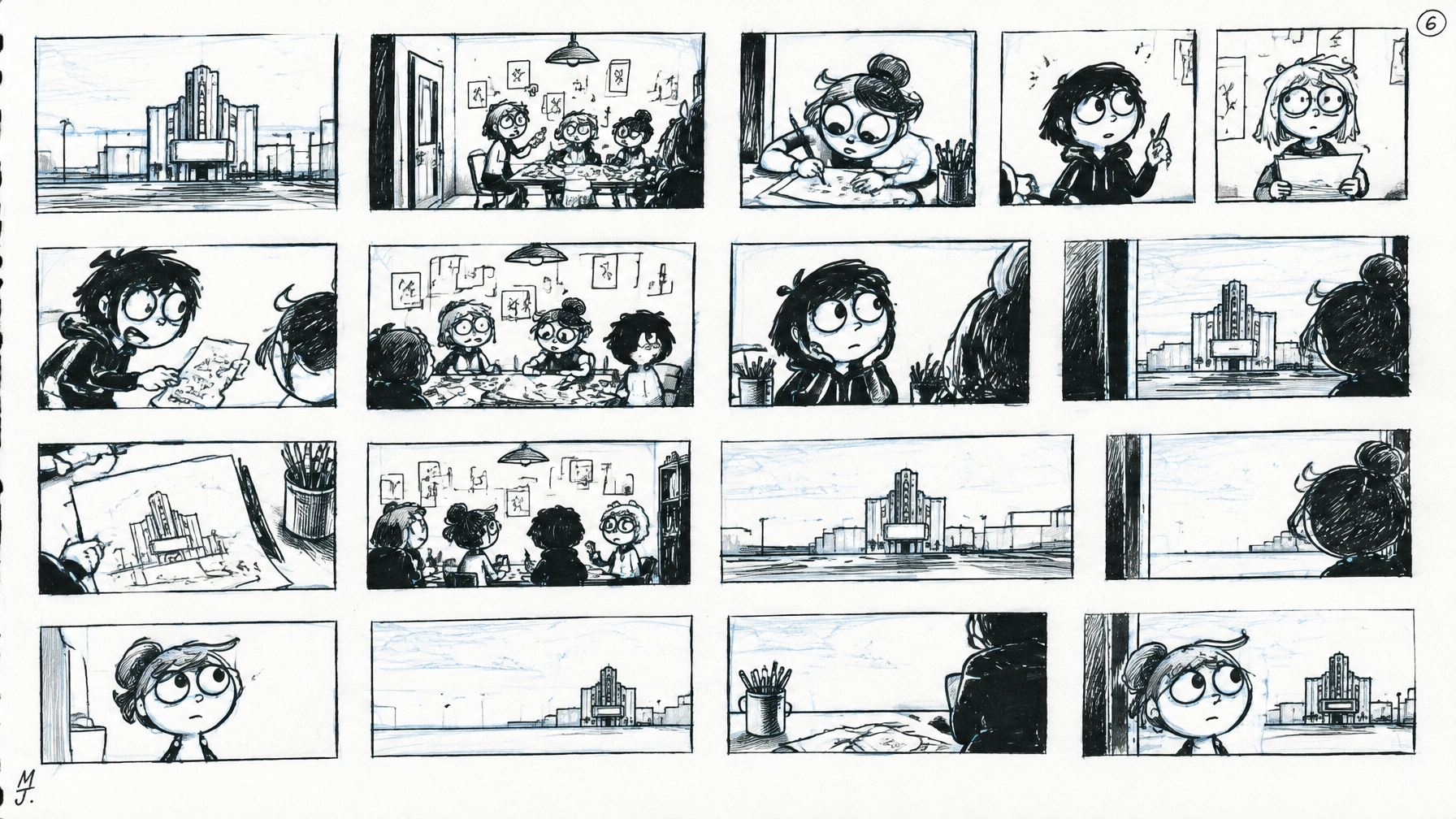
Maybe The Building Isn’t the Movement
Ahead of next week’s reckoning over the end of nonprofit theater: where the gala money goes, what we gave up when we stopped carrying risk, and why a small organization like ours is growing. Next Tuesday, September 29, the DeVos Institute and Out of Hand Theater will gather seventeen respondents, Oskar Eustis among them, around […]

Makers Gotta Make: The Edinburgh Shows We’re Watching For
I am writing this having just returned from a whirlwind trip to Edinburgh, where I saw about twenty shows in three days. Musicals, plays, one-person shows, comedy, performance art. Two of them started in Orchard Project rooms in Saratoga Springs, and many others worth seeing feature artists in our wonderful OP family. Put simply, the […]
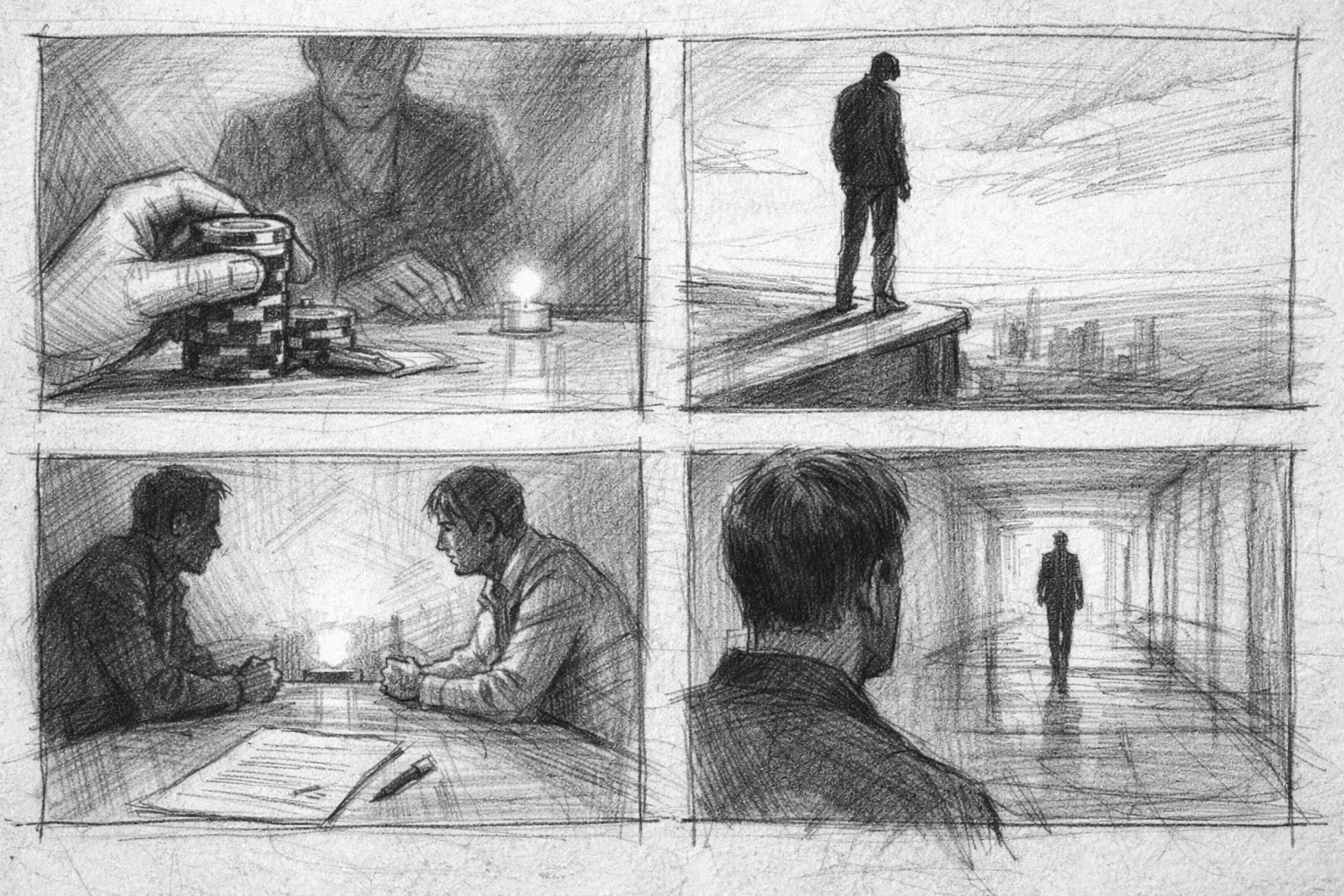
Open Process: Who’s Actually Taking the Risk Right Now?
There is a quiet shift happening in the theater world, not necessarily in the work itself, which remains as inventive and unpredictable as ever, but in who is actually moving it forward. Over the past few months, in conversations about developing new plays and new musicals, we at The Orchard Project have noticed something that […]
What You Can’t Measure (But Actually Matters)
We’ve been in these rooms for a long time. Rooms where a piece is halfway between what it was and what it might become. Rooms where everyone is a little tired, a little uncertain, and still showing up. Rooms where something shifts—and you can feel it—but you wouldn’t know how to explain it in a […]
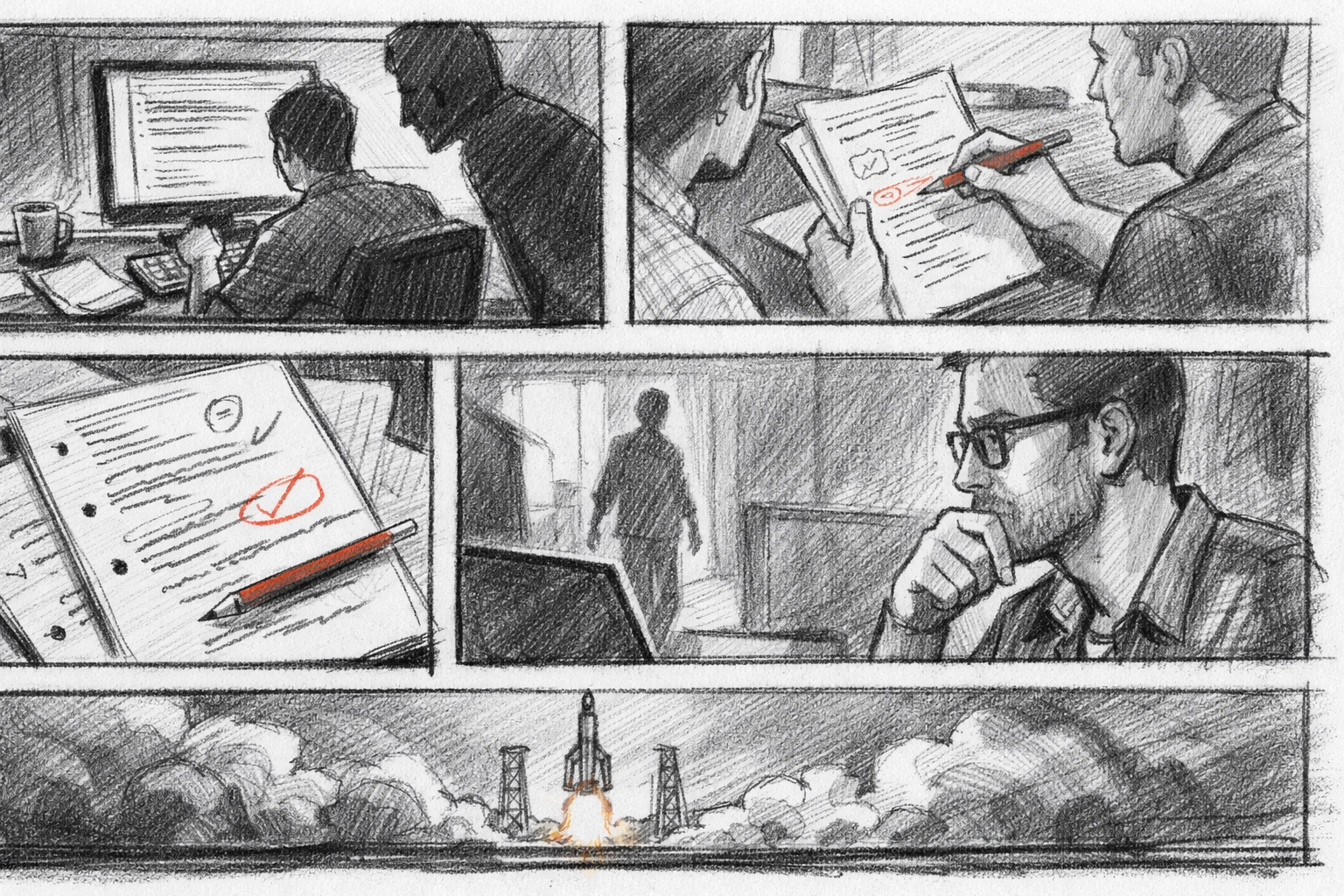
Notes 2.0: Ship It (What Code Reviews Can Teach Us About Giving Notes)
This post is part of Notes 2.0, our series about what it actually looks like to make new work: messy drafts, real questions, useful frameworks, and the moment you decide to show the thing before it’s “done.” At first glance, the world of software engineering and the world of playwriting couldn’t be further apart. One […]

Notes 2.0: Stop Defending Your Thesis and Start Joining the Room
You know that feeling when you're sitting in a development room and someone asks you a question about your script, and your shoulders immediately tense up? That split-second where your brain goes into defense mode, preparing to justify every choice you made? Yeah, that one. That's the PhD thesis defense dynamic. And it's killing your […]
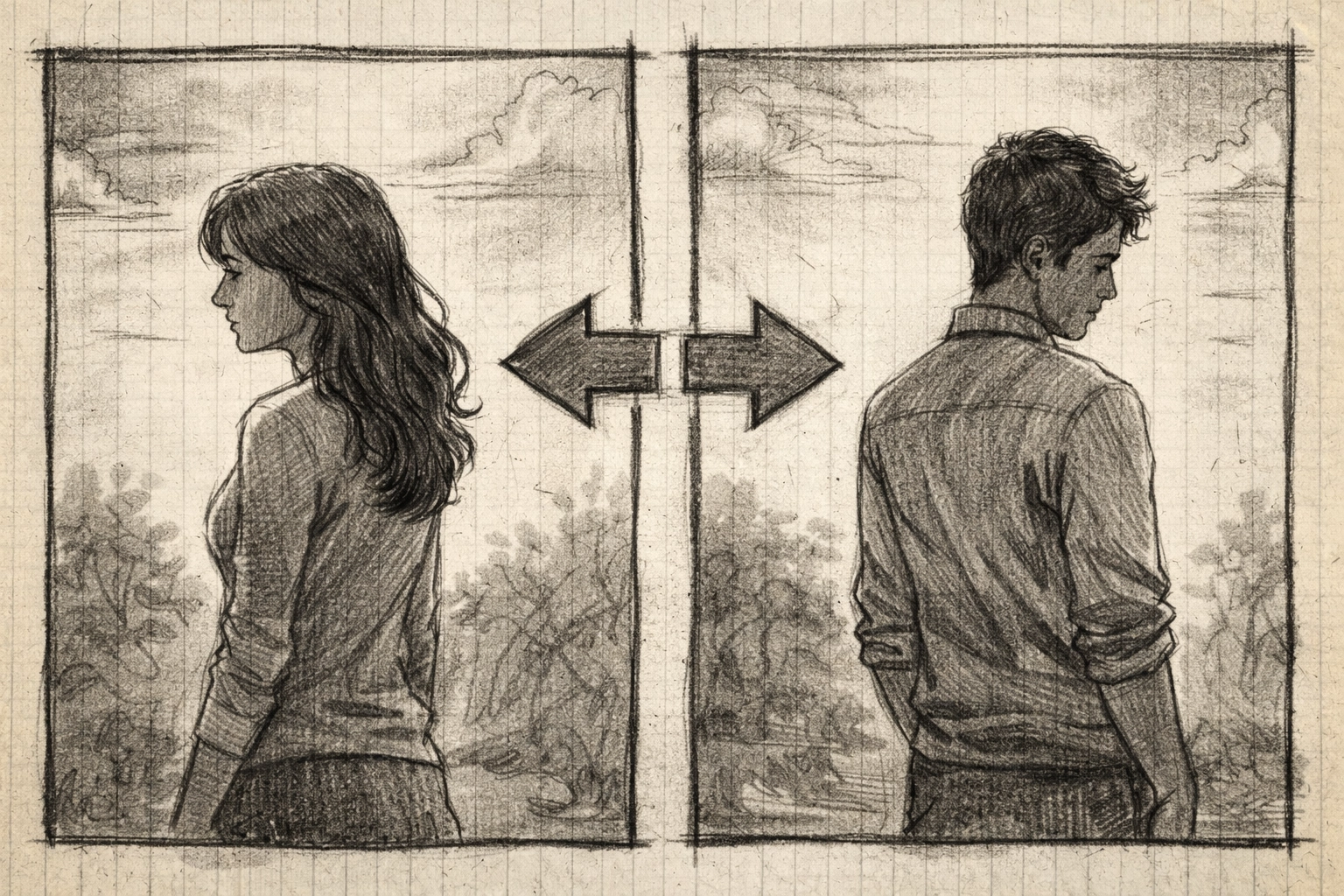
Two Sides of the Same Heart: The Power of Split-POV Storytelling
Split-POV stories are catnip because they admit what most narratives politely ignore: two people can live through the same event and come out holding different receipts. It’s not just a “cool structure.” It’s a philosophy. Split-POV says truth is partial, memory is biased, and love is often a negotiation between two narrators who both believe […]
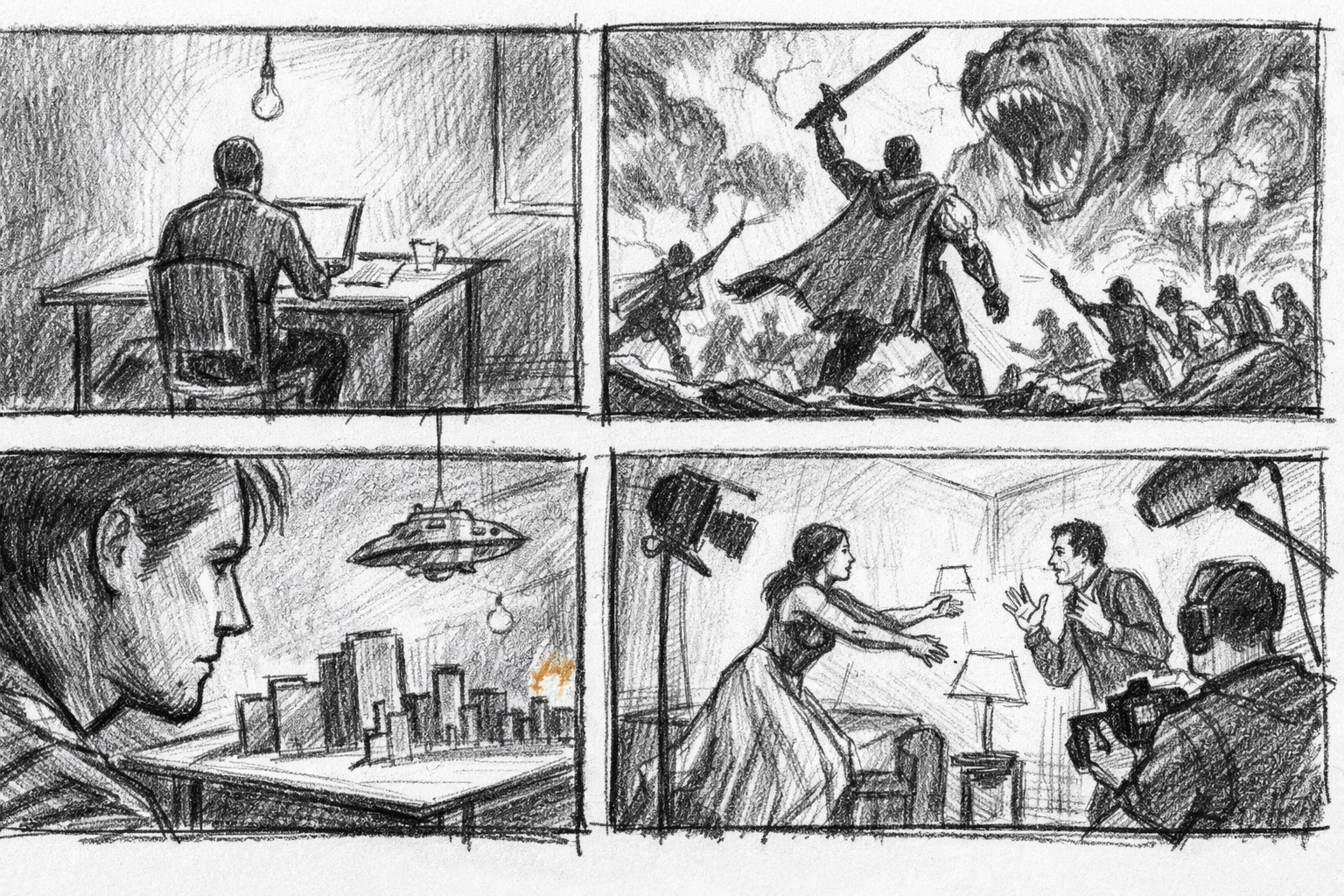
The “No-Budget” Spectacle: How to Write Big Ideas for Small Rooms
Here's the thing nobody tells you when you're starting out: spectacle doesn't live in the budget line. It lives in the idea. I know that sounds like motivational poster nonsense, but stick with me. Because the best "big" theater I've ever seen, the kind that makes you feel like the walls disappeared and you're standing […]
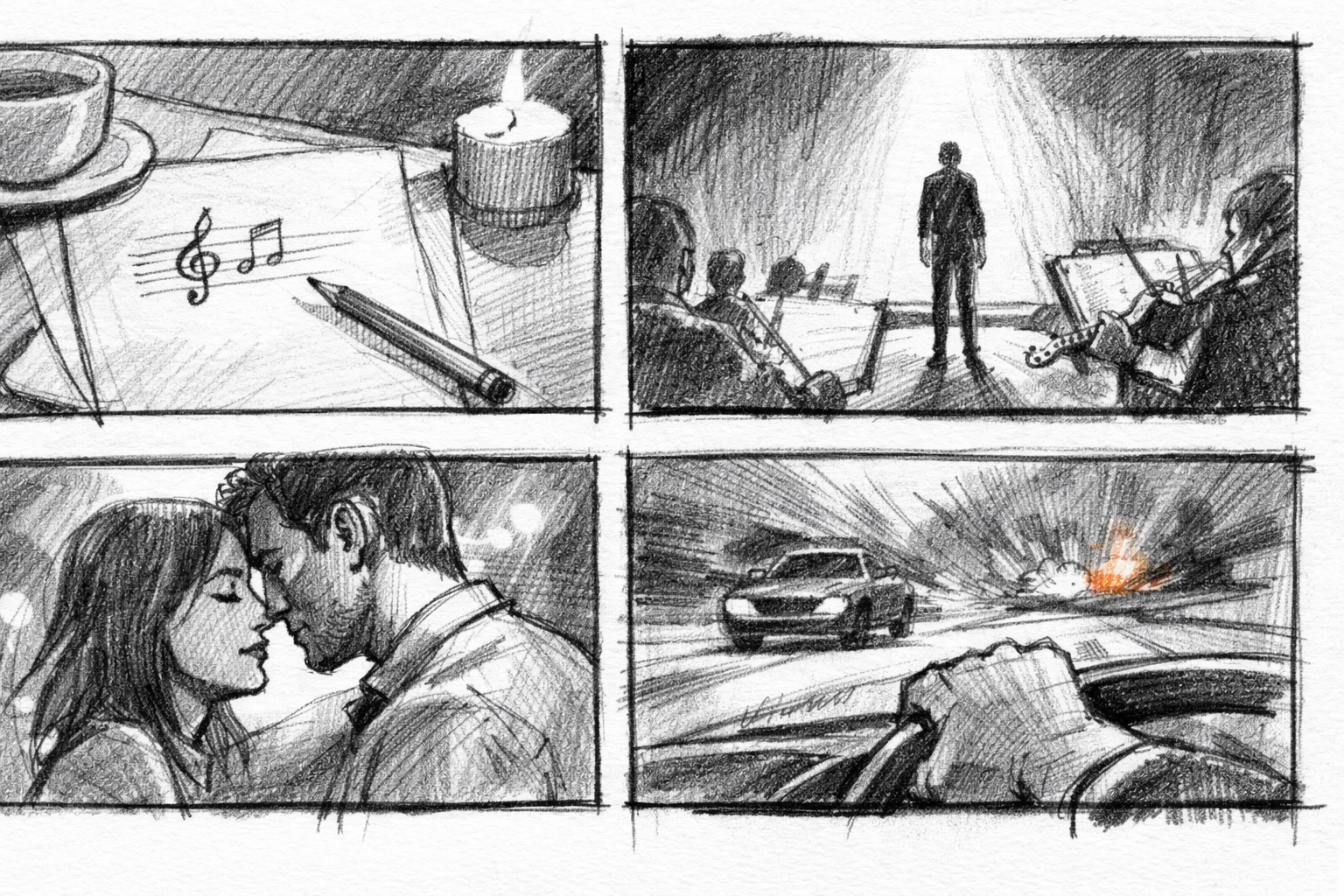
The Musical Engine: Why Your Script Needs a "Song" (Even if No One is Singing)
Here's a thought that might be controversial: we think every writer: whether you're crafting a gritty TV pilot, an indie film, or a three-character chamber play: should study musical theater structure. Not because you need to write musicals. But because musical theater has solved problems that the rest of us are still fumbling around in […]
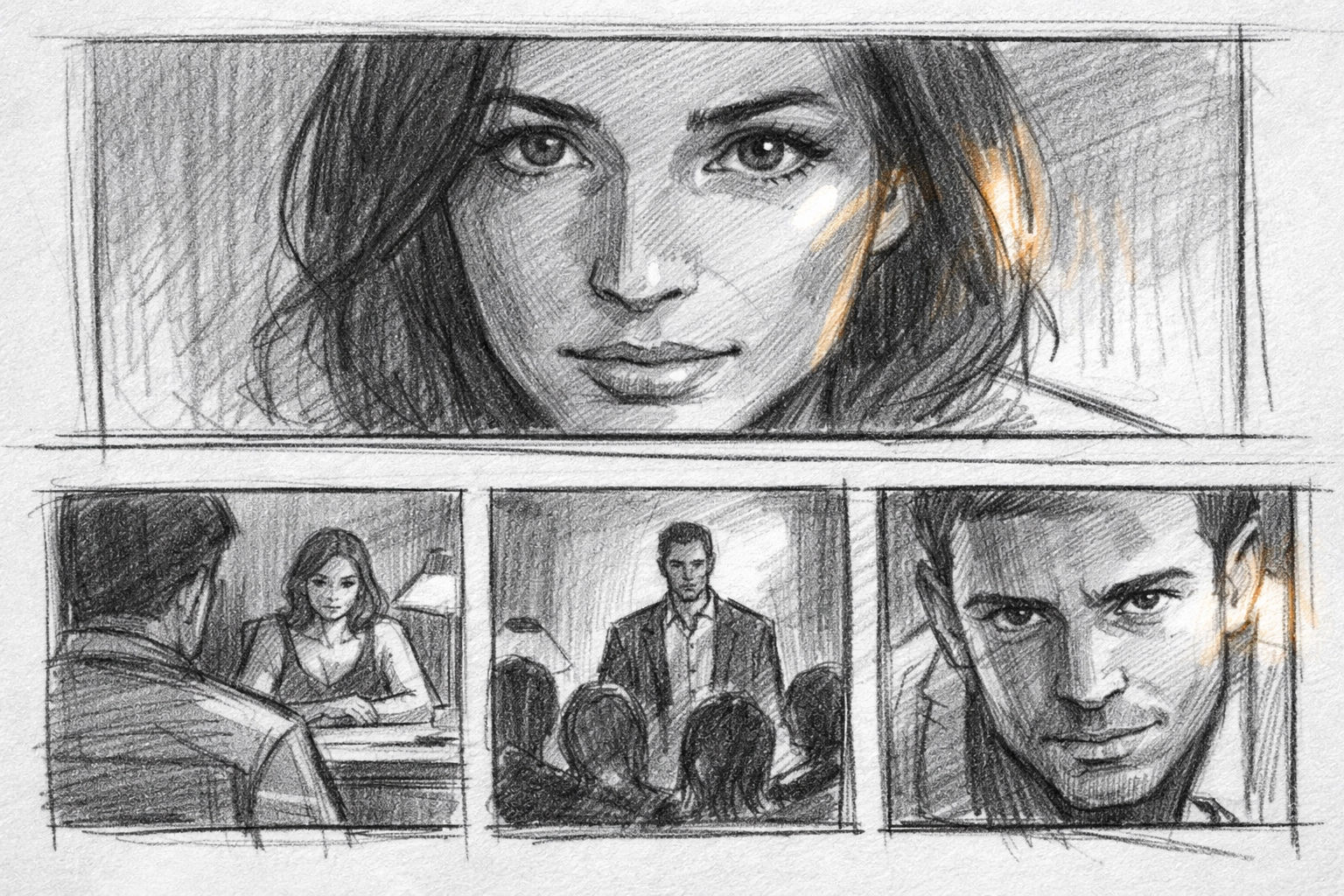
Looking Them in the Eye: The Art of the Direct Address Opening
There's a moment in theater that nothing else in storytelling quite replicates. The lights come up. An actor steps forward. And instead of pretending you're not there, they look right at you. That's it. That's the whole trick. And it changes everything. The direct address opening is one of the oldest tools in the playwright's […]